
How to Avoid Altitude Sickness in Lhasa: Luxury vs Budget Hotels
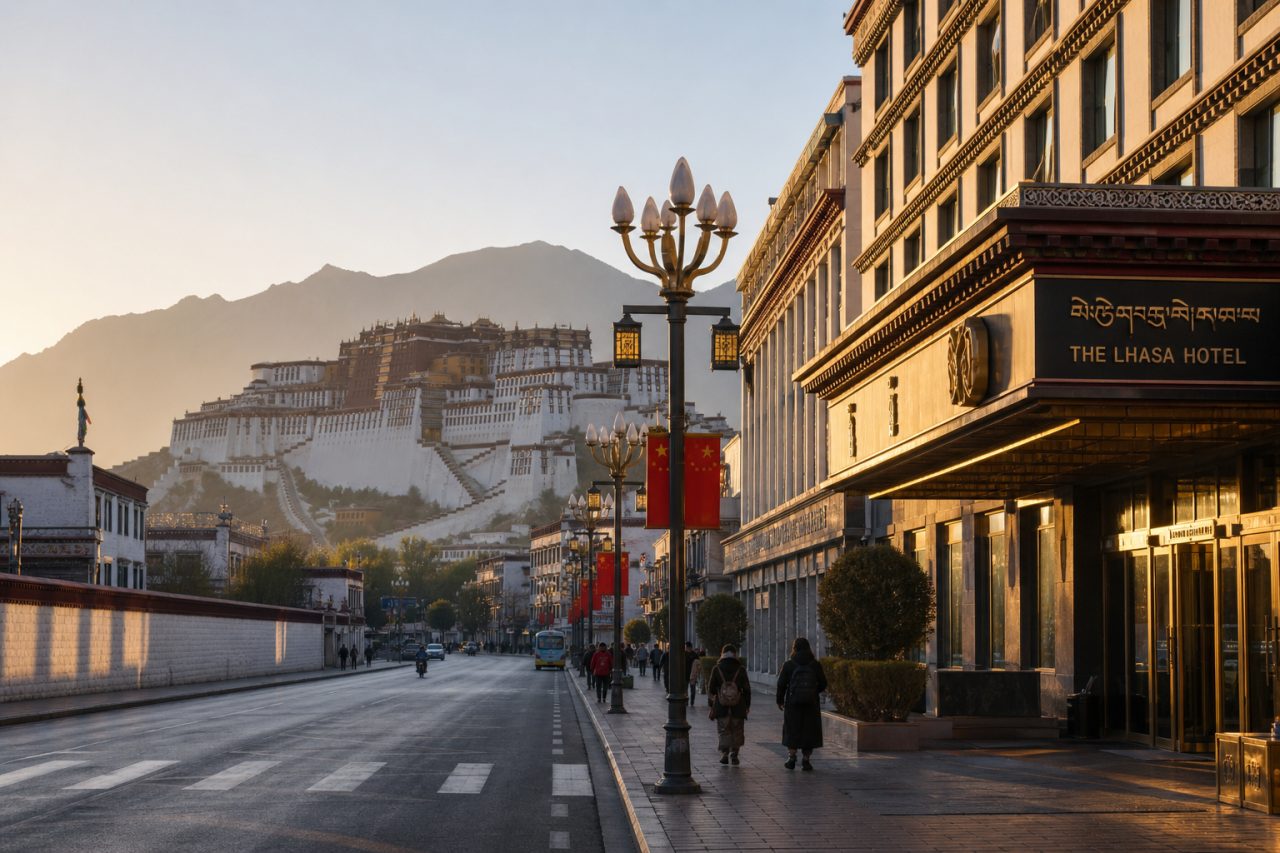
If you are booking your first stay in Lhasa, the real question is not whether a luxury hotel can stop altitude sickness. It cannot. The more useful question is whether paying more gives you a better first 24 to 48 hours through warmer rooms, quieter sleep, easier hydration, faster support, and less physical stress after arrival.
That distinction matters because Lhasa sits at about 3,650 meters (11,975 feet), a high enough elevation for many travelers to develop mild acute mountain sickness even if they are otherwise healthy. The CDC Yellow Book explains that risk rises with altitude and rate of ascent, while the Merck Manual notes that headache, poor sleep, nausea, fatigue, and dizziness are common early symptoms of altitude illness (CDC Yellow Book; Merck Manual Consumer Version). So the expert judgment is simple: luxury helps some travelers feel and sleep better, but itinerary pace and first-night behavior matter more than hotel star rating.
Does a luxury hotel really reduce altitude sickness in Lhasa?
Not directly. A more expensive hotel does not change the altitude, and it does not make you immune to acclimatization symptoms.
What it can do is reduce secondary stress on your body. A warm room, reliable hot water, good bedding, quieter surroundings, easy check-in, and responsive staff can improve rest on the first night, and that may make mild symptoms easier to tolerate. For some travelers, that extra comfort is worth paying for. For others, a clean mid-range hotel is enough.
Which hotel features matter most for altitude safety and sleep
When comparing hotels in Lhasa, ignore status language and focus on practical recovery conditions. The most useful features are warmth, quiet, bedding quality, private bathroom reliability, easy access to hot drinks, and staff who can help quickly if you feel unwell.
Oxygen supply can be helpful as a backup, but it should not be treated as the main solution. The Merck Manual is clear that worsening symptoms need proper medical attention and, in more serious cases, descent rather than just comfort measures in a room (Merck Manual Consumer Version). In other words, oxygen availability is a support feature, not a substitute for symptom judgment.
Location also matters more than many travelers expect. A hotel with smoother airport or station transfer, fewer stairs, and less need to walk far with luggage reduces unnecessary exertion on arrival day, which fits the CDC guidance to limit strain while acclimatizing (CDC Yellow Book).
Luxury vs budget hotels in Lhasa: where the real difference shows
| Factor | Luxury Hotel | Budget Hotel |
|---|---|---|
| Room warmth and insulation | Usually more reliable | Can vary widely |
| Noise control | Often better for sleep | More inconsistent |
| Bedding and sleep comfort | Usually stronger | May be basic |
| Staff response and coordination | Often faster and smoother | Depends heavily on property quality |
| Oxygen or support equipment | More likely, but not guaranteed | Less common |
| Value for low-risk travelers | Can be unnecessary | Often acceptable if clean and quiet |
The real danger with budget hotels is not that they “cause” altitude sickness. It is that a cold, noisy, dry, poorly maintained room can turn a manageable first night into a bad one. Poor sleep, dehydration, and extra physical hassle can make normal acclimatization feel worse.
At the same time, many travelers overspend on luxury branding when a solid mid-range hotel would do the job. For altitude comfort, the jump from poor budget to reliable mid-range often matters more than the jump from mid-range to top-end luxury.
Who should pay more for a better hotel in Lhasa
Paying more makes the most sense for first-time high-altitude travelers, older travelers, families with children, travelers with a history of unpleasant altitude symptoms, and anyone arriving already tired after a long international journey. These travelers benefit most from reducing avoidable stress and maximizing sleep quality. Families may also want to read family travel to Tibet before booking.
A healthy traveler with previous altitude experience, a moderate budget, and realistic arrival-day habits can usually choose a good mid-range hotel without giving up much safety. By contrast, the cheapest room is often a false economy if it means poor rest at 3,650 meters.
If you want premium comfort, verified service standards, and the highest chance of finding oxygen support or smoother logistics, higher-end properties may be justified. For examples of what that looks like in practice, see top luxury hotels in Lhasa.
How to plan your first 48 hours in Lhasa to reduce risk
The CDC’s high-altitude guidance matters more here than hotel category: rest after arrival, avoid heavy exertion, and give your body time to adjust (CDC Yellow Book). The single most common mistake is checking in and trying to sightsee aggressively on the same day.
- Arrive, check in, hydrate, and eat lightly.
- Keep the first afternoon easy, even if you feel fine.
- Choose sleep over nightlife or long walks.
- Watch for headache, nausea, dizziness, unusual fatigue, or shortness of breath that is getting worse.
- Do not move to higher places too fast if symptoms are not settling.
For many Tibet itineraries, the smarter use of budget is adding proper acclimatization time rather than putting all extra money into hotel category. That is especially true if your route continues to higher areas after Lhasa. See this practical Tibet 13 day itinerary for pacing ideas, and this guide on what to pay attention to when traveling to Tibet for broader risk planning.
When hotel comfort is not enough
Mild symptoms can happen even in an excellent room. What matters is whether they improve with rest or keep getting worse.
The Merck Manual advises prompt action if symptoms progress, especially worsening headache, vomiting, confusion, trouble walking normally, or increasing breathing difficulty at rest, because these can suggest more serious altitude illness (Merck Manual Consumer Version). A comfortable hotel is not the answer in that situation. You need medical evaluation and, when advised, descent.
Final booking judgment
If your main goal is to avoid altitude sickness in Lhasa, do not buy luxury for the label. Buy comfort only where it changes the first-night experience: warmth, quiet, easy logistics, sleep quality, and responsive support.
For most travelers, the best value is a reliable mid-range hotel plus a conservative arrival plan. Luxury is worth it when you want a larger safety margin for comfort, recovery, and service. Budget can work, but only if the property is genuinely warm, quiet, clean, and low-stress.
Before booking, it also helps to check the best time to visit Tibet, since colder seasons can make room comfort more important, and to review current permit planning in Can Foreigners Visit Tibet Now? Latest Travel Permits & Restrictions Explained.
Service fit
Dynamic Trust & Reassurance Block
Use this article as a planning reference, not a final commitment
Service fit
For "How to Avoid Altitude Sickness in Lhasa: Luxury vs Budget Hotels", value depends on route complexity, hotel level, season, group size and how much private support you expect.
Decision support
Use this article to clarify which comfort level, flexibility and service scope fit your budget before requesting a proposal.
Before you commit
Before committing, confirm inclusions, exclusions, hotel standards, vehicle arrangements and guide support in the final quote.
Last reviewed: July 15, 2026
Start Custom PlanningPrivate trip planning
Need a Tibet plan that fits your comfort level?
Tell us your budget, hotel expectations and travel style. We can explain realistic private tour options before you commit.
Start Custom PlanningYou Might Also Like
Jul 22, 2026
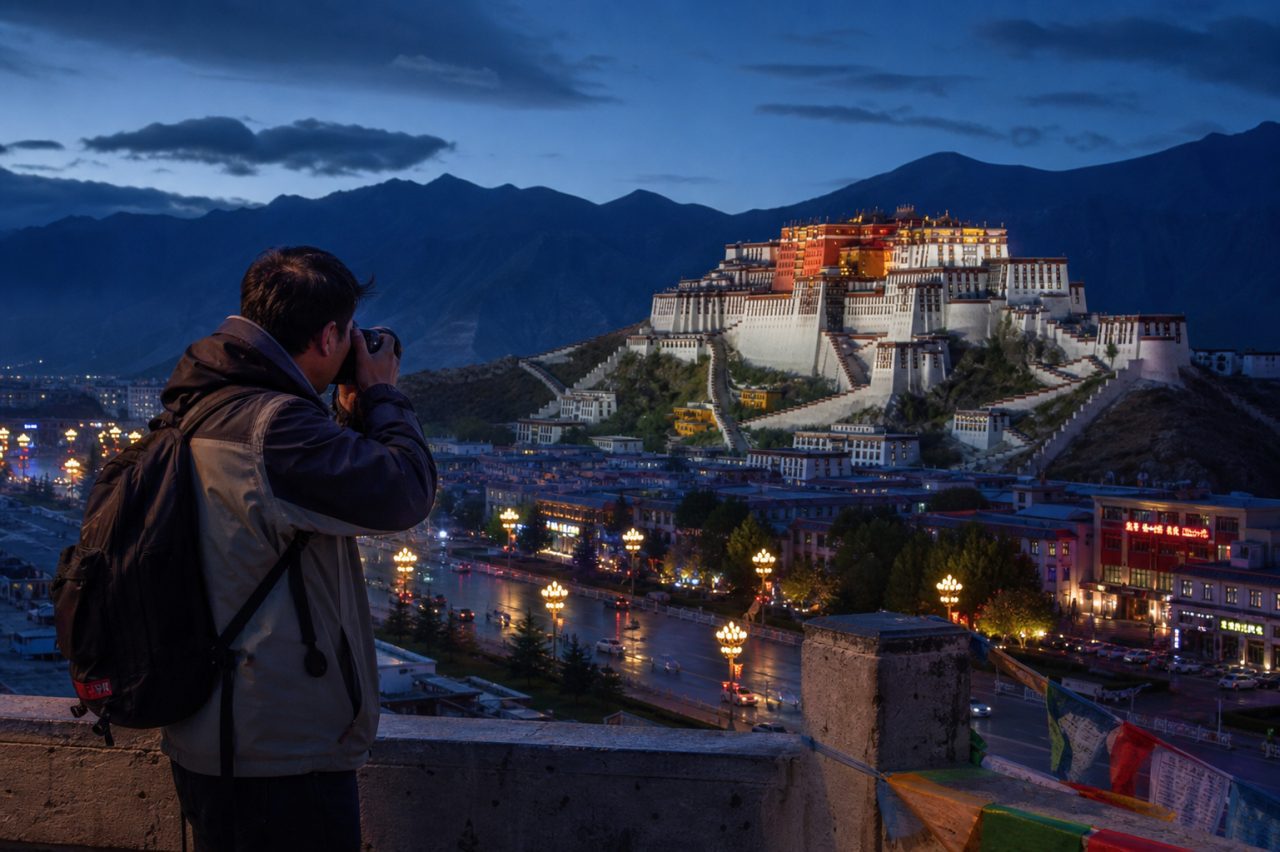
Tibet Photography Guide: Best Places, Camera Rules, and Drone Restrictions
Plan where to sh…
Jul 22, 2026
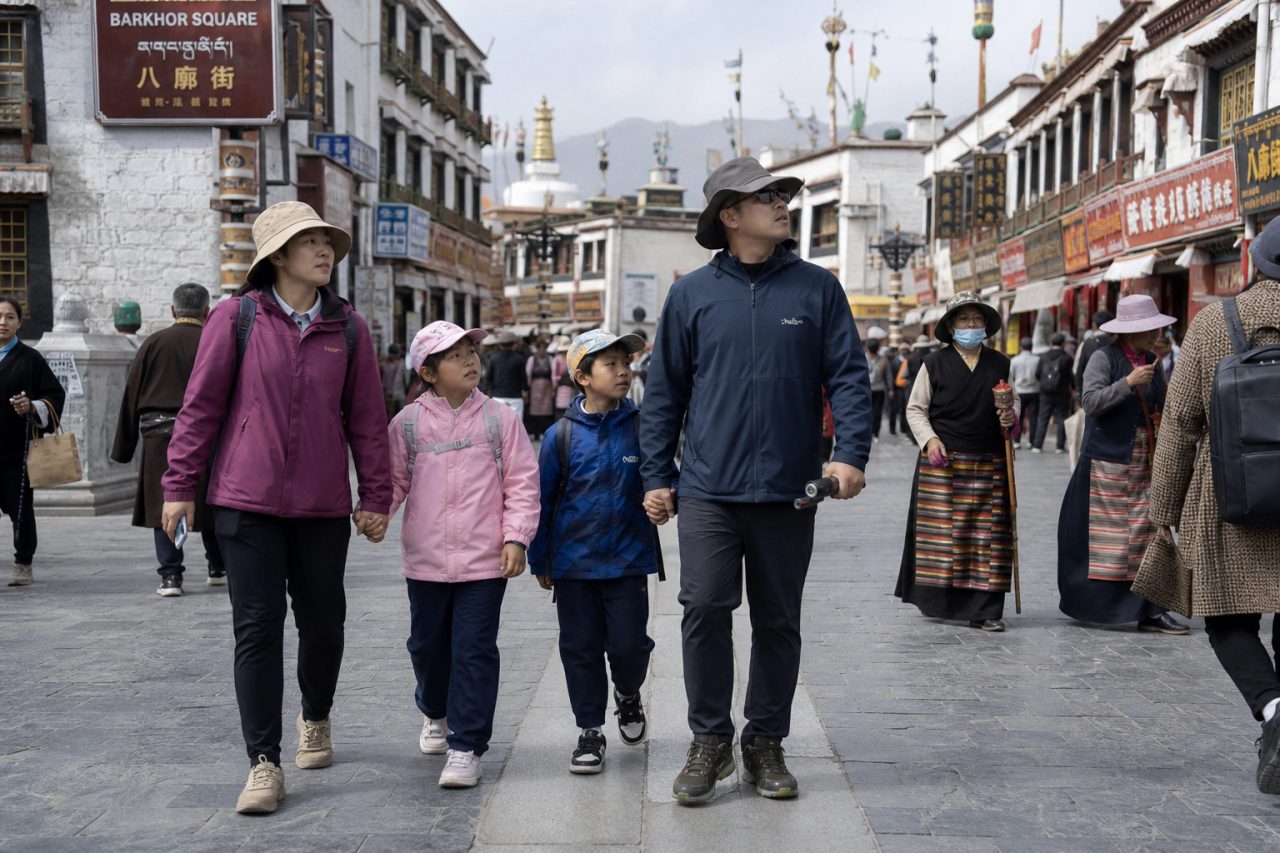
Tibet with Kids: Family-Friendly Routes, Age Limits, and Comfort Planning
Planning Tibet w…
Jul 22, 2026
Tibet Travel Insurance Guide: What Policies Should Cover for Remote Trips
Choosing Tibet t…
Common Questions
Questions Readers Usually Ask Next
These answers close the practical questions still left after this guide, so you can decide what to do next without another search.
Is a mid-range hotel usually enough in Lhasa?
For many travelers, yes. If the room is warm, quiet, clean, and easy to manage after arrival, mid-range often delivers most of the altitude-relevant value without luxury pricing.
Do oxygen-equipped hotels prevent altitude sickness?
No. Oxygen can be a backup comfort measure, but it does not replace gradual acclimatization, rest, hydration, and symptom awareness.
Should I stay extra nights in Lhasa before going higher?
Often yes, especially if this is your first high-altitude trip, you are older, traveling with family, or already prone to poor sleep and fatigue.
Who benefits most from paying more for a better hotel?
First-time high-altitude travelers, older travelers, families, and anyone likely to struggle with cold rooms, poor sleep, arrival fatigue, or stress.